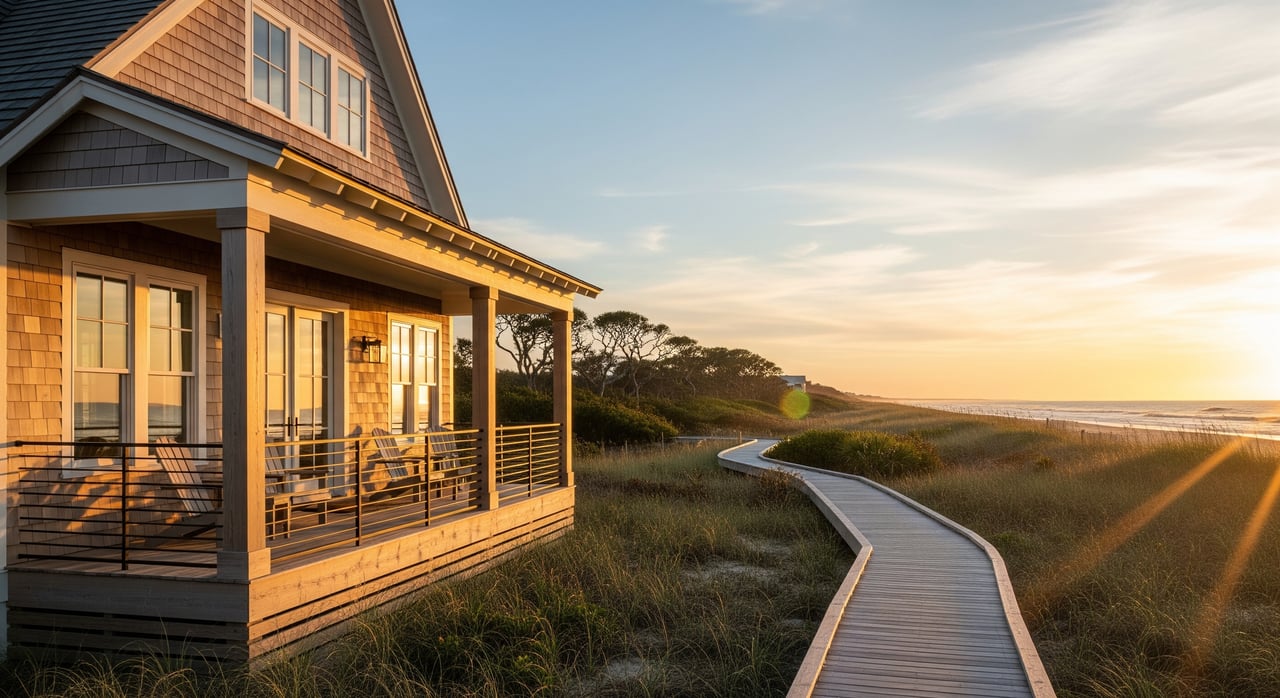
Ever wonder what life really looks like when you own a second home on a quiet North Carolina barrier island? You are not alone. Topsail Beach draws buyers who want sand-in-your-shoes summers, peaceful off-season escapes, and the option to offset costs with rentals. In this guide, you will learn the rhythms of the island, the costs you should expect, how rentals work, and how to set up the home for coastal resilience. Let’s dive in.
Topsail Beach at a glance
Island pace and seasons
Topsail Beach sits on a barrier island in Pender County. The island is known for single-family homes, vacation properties, and small businesses that cater to visitors. You should plan for a seasonal rhythm. Summers are busy from Memorial Day through Labor Day, with families, full beaches, and frequent rental turnovers. Spring and fall are shoulder seasons with milder weather and moderate visitor demand.
When the island quiets down
Late fall through winter is much quieter. If you want year-round use, expect limited on-island services and fewer open amenities in the colder months. Many second-home owners use this time for maintenance projects and property refreshes. If you plan to rent, you may see fewer bookings and lower rates off-season.
Weather and environment
You will experience typical mid-Atlantic coastal conditions. Salt spray, high humidity, and wind affect exterior finishes and mechanical systems. There is hurricane and tropical storm risk, tidal flooding, and long-term sea-level rise concerns to weigh in your planning. Sea turtle nesting happens on North Carolina beaches from roughly May to October. That means seasonal lighting rules along the coast and clear guest guidance if you rent.
What it costs to own
Financing: second home vs investment
Financing depends on how you plan to use the property. If you will use it personally for part of the year, second-home financing can be available with different down payment and rate expectations than a primary residence. If the property will be rented primarily as an income asset, lenders may classify it as an investment property, which often means a higher down payment, a higher interest rate, and cash-reserve requirements. Talk with a lender who understands coastal and second-home loans so you can compare both scenarios before you shop.
Recurring expenses to plan for
Build a budget that reflects island realities:
- Property taxes in Pender County. Confirm rates and how valuations work before you buy.
- Insurance. You will likely need homeowners coverage, a separate flood policy, and possibly separate wind coverage. Coastal premiums are usually higher.
- Utilities. Water, electric, internet, and trash can swing with seasonal use.
- HOA or community fees, if applicable. Some areas fund shared access or dune projects.
- Maintenance and repairs. Salt and sun increase wear on siding, decks, railings, and hardware.
- If renting, add property management, cleaning, turnover, marketing, and supplies.
Insurance, flood, and wind basics
Many island homes sit in FEMA flood zones. If you carry a mortgage with a regulated lender, flood insurance is often required. Know that wind and flood are separate exposures. Confirm whether wind is included in your homeowners policy or requires a separate endorsement or policy. National flood policies often have a 30-day waiting period, and private flood markets may have different terms. Ask for quotes specific to the address so you can compare options.
Taxes and rental rules to note
Your tax treatment depends on use. Mortgage interest and property taxes have different implications for second homes versus rentals. If you only rent a home for fewer than 15 days in a year, federal rules may allow you to exclude the rent from income, but always confirm current IRS guidance with a tax advisor. If you rent regularly, you must report the income and can deduct allowable expenses based on IRS rules for personal use and rental classification.
If you operate a vacation rental, plan to register and remit state and local occupancy and sales taxes. Also plan for local compliance on parking, trash, noise, and seasonal lighting rules. The best next step is to check with the Town of Topsail Beach, Pender County, and a local CPA to confirm current rates and required filings.
Maintenance and resilience
Coastal wear and tear you should expect
Salt air speeds up corrosion. Metal fixtures, exterior fasteners, railings, and HVAC units require more frequent inspection and replacement than inland homes. High humidity increases the risk of moisture and mold, so you should plan for ventilation upgrades and regular checks. Termite activity is common along the coast, which is why recurring pest treatment and inspections are standard. Exterior paint, siding, and decking will need more frequent upkeep due to UV and wind.
Systems and service schedule
Set a proactive maintenance calendar:
- HVAC service every spring and fall with attention to corrosion protection and proper drainage.
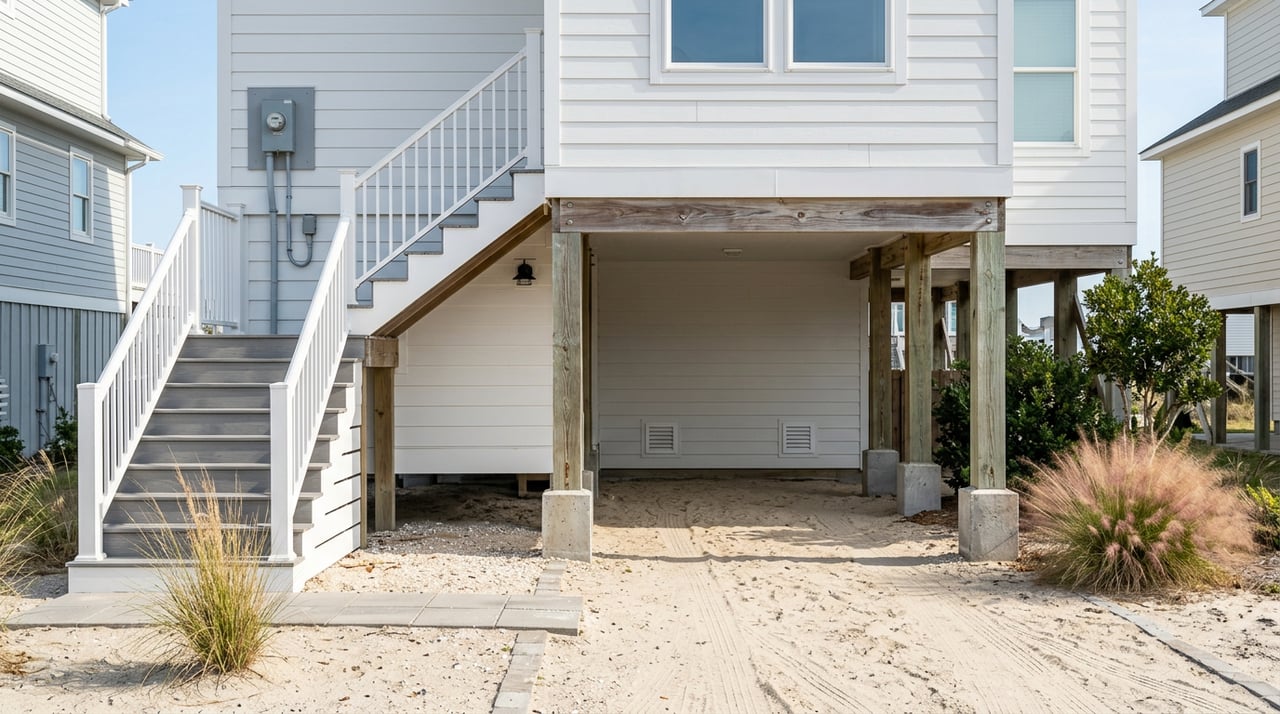
- Roof and structure inspections annually and after storms. Review roof attachment, hurricane straps, and the condition of elevated foundations.
- Dune or shoreline considerations. Some neighborhoods participate in dune nourishment. Permits may be required for beach or dune work.
- Plumbing and septic. If the property is on septic, schedule pumping and inspections based on use. Verify the location of sewer vs septic during due diligence.
- Utilities and winterization. If you leave the home vacant in winter, winterize systems to reduce freeze risk during cold snaps.
Hurricane readiness plan
Build a plan before storm season begins on June 1:
- Protection measures. Consider shutters or impact windows, roof tie-downs, elevated electrical panels, and backup power.
- Documentation. Keep dated photos of the property and an inventory for claims.
- Response team. Identify a local contact or manager who can secure the home, check for damage, and coordinate contractors.
- Communications. If you host guests, include evacuation routes and storm protocols in your house manual.
After a storm or after peak season, inspect for damage, clear gutters, check for mold or mildew, and service septic if needed. A consistent routine preserves value and reduces surprises.
Renting your Topsail home
What drives bookings
Performance depends on proximity to the beach, views, number of bedrooms, and property condition. Amenities like decks and outdoor showers help. Summer demand is strongest. Spring and fall can attract guests who prefer milder weather and lower rates. Upkeep, accurate listing descriptions, and a clean, well-stocked home improve reviews and occupancy.
Self-manage or hire a manager
Owners who self-manage reduce management fees but take on bookings, guest communications, dispatching cleaners, and handling maintenance. You will need trusted local contractors and a backup plan during peak season. Professional property managers typically charge a percentage of rental revenue and can handle marketing, pricing, compliance, turnovers, and maintenance coordination. Compare the fee to the time and stress you will save, especially if you live out of town.
Rules, permits, and guest guidance
Short-term rentals can come with registration requirements, occupancy limits, parking rules, and noise and trash ordinances. Hosts are generally responsible for collecting and remitting taxes. Along the coast, seasonal sea-turtle lighting rules often apply. Clear guest instructions about beach safety, trash schedules, parking, and lighting help prevent complaints and fines.
Due diligence checklist
Use this checklist as you evaluate a specific Topsail Beach property:
- Flood risk: review FEMA flood maps and request recent elevation certificates if available.
- Insurance: get address-specific quotes for homeowners, flood, and wind coverage.
- Local rules: confirm short-term rental rules, tax registration, and any HOA covenants.
- Property condition: order a full home inspection with special focus on hurricane straps, roof, foundation elevation, HVAC, mold, and termites.
- Access and utilities: verify sewer vs septic, trash pickup, and broadband or cell coverage.
- Resilience history: ask about prior storm damage, flood claims, dune projects, and community protection measures.
Owner operations checklist
Once you own the home, keep operations simple and repeatable:
- Appoint a local point of contact for emergencies and inspections.
- Create storm SOPs with evacuation, boarding, vendor contacts, and insurance steps.
- Build a yearly maintenance calendar for HVAC, roof checks, pest control, and septic.
- Prepare guest materials with sea-turtle lighting rules, emergency contacts, evacuation routes, parking, and trash instructions.
How a local partner helps remote owners
If you live out of town, local execution matters as much as analytics. A hands-on partner can align your budget with coastal realities, plan the right upgrades for durability and guest appeal, and keep projects on schedule. You want a single point of contact who can coordinate contractors, confirm compliance, and check the property after storms.
With a blend of buyer and seller representation, investor advisory, renovation coordination, and boots-on-the-ground oversight, you get both strategy and execution. That means better maintenance decisions, smoother rental operations, and fewer surprises during hurricane season. When it is time to buy, prep, or sell, that same team can model scenarios, align timelines, and manage the work so you can focus on enjoying the coast.
Ready to explore a second home or strengthen the one you own on Topsail Island? Schedule a conversation with Matthew Berglund to map out financing paths, due diligence, and a practical operations plan that fits your goals.
FAQs
What are the true ongoing costs for a Topsail Beach second home?
- Plan for property taxes, homeowners plus flood and possibly separate wind insurance, utilities that vary with seasons, HOA fees if applicable, and higher coastal maintenance. If renting, add management, cleaning, and supplies.
How risky is hurricane season on the North Carolina coast?
- Hurricane season runs from June 1 to November 30. Prepare with shutters or impact windows, roof tie-downs, elevated utilities, a local contact for inspections, and a claims plan with photos and inventories.
How does flood insurance work for island homes?
- Many properties are in FEMA flood zones. If you have a regulated mortgage, flood insurance is usually required. Compare NFIP and private options, note waiting periods, and verify whether wind is covered separately.
Can I legally operate a short-term rental in Topsail Beach?
- Many owners do, but you must confirm current town rules, occupancy and sales tax registration, neighborhood covenants, and compliance with parking, trash, noise, and seasonal lighting requirements.
What maintenance demands are unique to coastal homes in Topsail?
- Expect faster corrosion from salt air, more frequent exterior paint and deck upkeep, regular pest and termite treatment, and biannual HVAC service. Plan post-storm inspections and off-season maintenance windows.