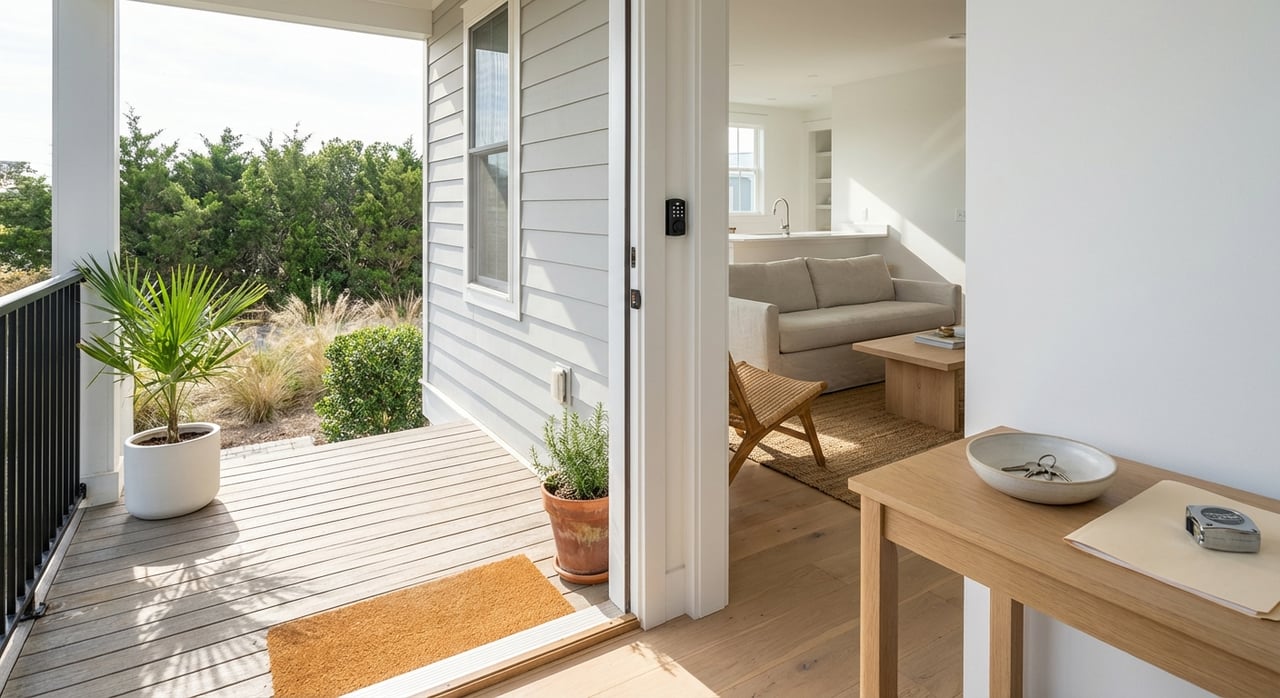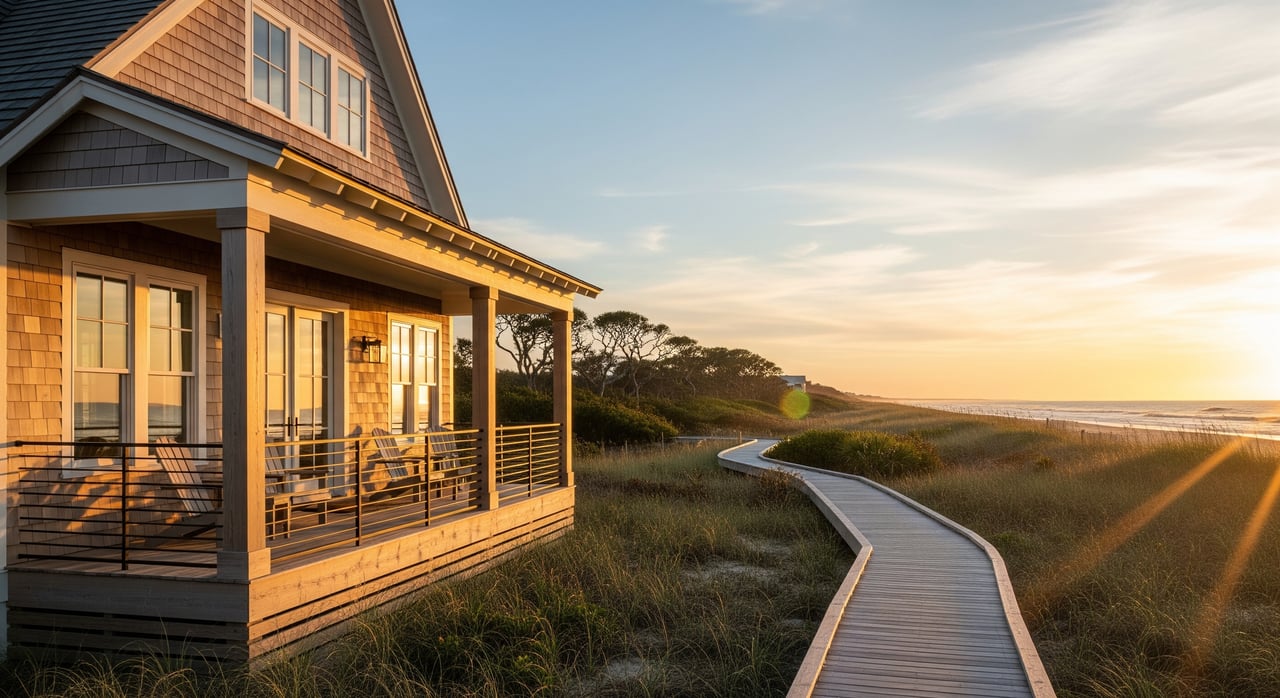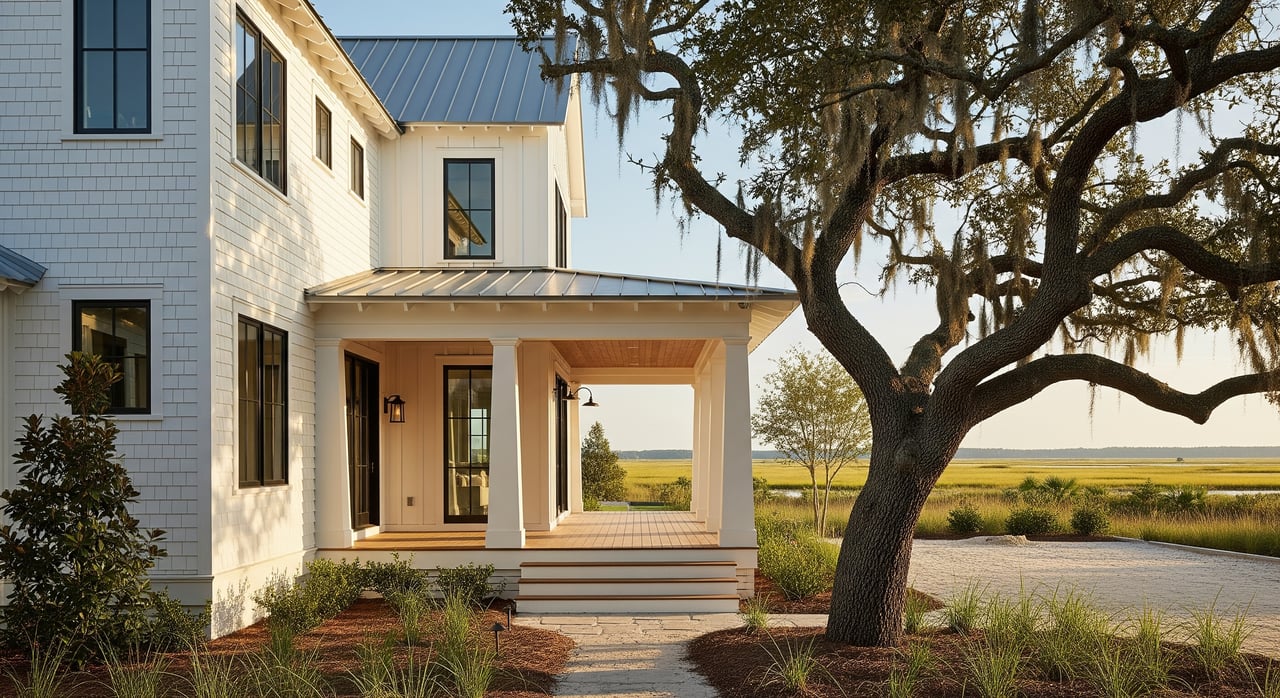
Buying your first home in Hampstead can feel exciting and a little overwhelming. You want a smart plan, clear steps, and local insight that fits life along the coast. In this guide, you’ll learn how to go from pre-approval to closing, what to watch for with flood and wind coverage, and how HOAs and utilities work in 28443. Let’s dive in.
Hampstead buyer snapshot
Hampstead sits along US-17 and NC-210 and offers access to Wilmington to the south and Jacksonville to the north. Commute times depend on your exact address and traffic patterns, so confirm typical routes with a mapping tool during rush hours. The area includes new subdivisions, established single-family neighborhoods, and pockets of waterfront lots, with limited condo or multifamily options.
Some properties connect to municipal water and sewer, while others use wells and septic. Verify service for any address with Pender County GIS, since it affects permitting, maintenance, and sometimes financing and insurance. Pender County Schools serves the area, and school zones and local services vary by neighborhood, so confirm with official county and district resources. Seasonal demand can shift inventory along the coast, and current market stats are best sourced from the local MLS.
Step 1: Get pre-approved
A written pre-approval sets your verified budget and strengthens your offer. It also helps you plan for flood and wind insurance costs that may be part of your monthly payment.
Affordable loan options in NC
- FHA: Lower down payment options for qualified buyers. Review program basics on HUD’s FHA loans overview.
- VA: For eligible service members and veterans. Explore benefits on the VA home loan page.
- USDA: Some Hampstead-area addresses may qualify. Check the USDA Rural Development eligibility map for specific parcels.
- Conventional first-time buyer: Options like HomeReady and Home Possible offer low down payments through Fannie Mae and Freddie Mac.
- State assistance: The North Carolina Housing Finance Agency provides down payment and closing cost help for eligible buyers. Confirm current income limits and rules.
What lenders verify
Expect to provide income and asset documentation, tax returns, and information about debts. Lenders evaluate your debt-to-income ratio and loan reserves. If a property is in a flood zone, your lender may factor flood insurance estimates into qualification.
Step 2: Choose a local agent and set your search
Work with an agent (preferably me!) who understands Pender County’s ordinances, hazard zones, HOAs, and common builders. You will move faster and negotiate better when your search criteria are clear.
Search filters that matter
- Elevation, drainage, and lot position relative to creeks or the Intracoastal
- Roof and HVAC age and maintenance history
- Proximity to US-17 versus quieter interior streets
- Septic versus municipal sewer and well versus public water
- HOA presence and community rules
Step 3: Tour homes and write a strong offer
See homes in person when possible and take notes on drainage, exterior condition, and neighborhood traffic. When you find the right fit, write a clear offer with realistic timelines.
Smart contingencies
- Inspection contingency with room for specialized inspections
- Financing and appraisal contingencies
- HOA document review period
- For new construction, include builder warranties, a completion schedule, punch-list items, and final inspection milestones
Step 4: Inspections that pay off
Protect your budget with thorough inspections. Coastal homes benefit from a few additional checks.
Standard inspections
- General home inspection
- Roof evaluation
- Termite and wood-destroying insect inspection
- HVAC, electrical, and plumbing as needed
Coastal-specific checks
- Flood risk review using the FEMA Flood Map Service Center; request an Elevation Certificate if in a Special Flood Hazard Area
- Wind mitigation inspection to document features that may lower premiums
- Mold or moisture survey if there are signs of past water intrusion
- Septic inspection and dye test, and well-water testing if applicable
- For new builds, consider third-party pre-drywall and final inspections
Step 5: HOA and legal review
Many newer Hampstead subdivisions have HOAs with architectural controls. Understand what you can and cannot do before you close.
Documents to request
- CC&Rs, bylaws, and rules
- Current budget, dues schedule, and reserve study or reserve balance
- Recent meeting minutes
- Insurance binder for common areas and an estoppel letter for dues status
Rules to confirm
- Exterior changes, fencing, landscaping, and hurricane protection devices
- Short-term or long-term rental restrictions
- Owner versus HOA responsibility for storm damage and repairs
Step 6: Appraisal, title, and closing
Your lender orders the appraisal, which must align with local comparable sales. In lower-inventory markets, experienced local appraisers are important. Title work will check for easements and recorded covenants that may affect improvements like shutters or generators.
Most resales close in about 30 to 60 days after offer acceptance. New construction can take longer depending on the builder’s schedule and inspection milestones.
Insurance and storm planning
Coastal-adjacent properties require a closer look at coverage details. Start quotes early so you are confident in your total monthly cost.
Flood insurance basics
Standard homeowners insurance usually excludes flood damage. If a property is in a FEMA Special Flood Hazard Area, lenders typically require a policy. Confirm the exact risk for the parcel using the FEMA Flood Map Service Center and request a premium estimate early. An Elevation Certificate can influence NFIP pricing.
Wind and hail coverage
Homeowners policies often include wind and hail with a separate hurricane or windstorm deductible that is a percentage of dwelling coverage. Review sample policy terms and ask what triggers the deductible. For consumer guidance, see the North Carolina Department of Insurance homeowners page. Wind mitigation upgrades, such as roof-to-wall anchors or impact-rated openings, may reduce premiums.
Maintenance priorities for coastal homes
- Roof: inspect after storm season, clear debris, and check flashing and seals
- Exterior: maintain paint and caulking, and use corrosion-resistant fasteners
- HVAC: service twice yearly and elevate outdoor units where practical
- Drainage: keep gutters and grading moving water away from the foundation
- Termites and mold: schedule regular pest control and humidity management
- Backup power: consider a portable or whole-home generator for outages
- Records: keep a binder of inspections, permits, and warranties for insurance and resale
Emergency planning and local resources
Know evacuation zones, routes, and shelter locations before hurricane season. Review plans with Pender County Emergency Management and use the National Weather Service hurricane safety hub to prepare checklists and timelines.
First-time buyer checklist
Before you start looking
- Get mortgage pre-approval and review programs from NCHFA, FHA, VA, and USDA
- Save for down payment, closing costs, and a maintenance reserve
- Decide on must-haves, including sewer versus septic and flood elevation
When you are searching
- Verify sewer, water, and septic or well status with Pender County GIS
- Check the specific parcel on the FEMA Flood Map Service Center; request an Elevation Certificate if in a flood zone
- Ask about past hurricane or storm damage and repairs
When you make an offer
- Include inspection, financing, and appraisal contingencies
- Set a timeline to review HOA documents and request seller disclosures
During inspections and underwriting
- Order septic, well, wind mitigation, termite, and mold inspections as needed
- Get quotes for homeowners, wind or hail, and flood insurance
- If in a floodplain, consider obtaining an Elevation Certificate early
Before closing
- Confirm title insurance, property taxes, prorations, and municipal liens
- Review the closing disclosure and prepare funds per title company instructions
- Transfer utilities and complete a final walk-through to verify repairs
Post-closing in year one
- Schedule roof, attic, and HVAC service, plus pest control and septic maintenance if applicable
- Prepare for hurricane season with shutters or supplies and secure storage
- Document improvements and keep all receipts and warranties
Realistic timeline
- Preparation: 1 to 2 weeks for documents and pre-approval
- Home search: 2 to 12+ weeks depending on inventory and budget
- Offer to close: 30 to 60 days for resales; new construction can be 60 to 180+ days
- Inspections and repairs: usually within 7 to 14 days of offer acceptance
- Final underwriting and closing: closing disclosure typically 3 to 5 business days before closing
Ready to make a confident move in Hampstead? If you want a step-by-step plan that covers financing, flood and wind due diligence, and HOA review, connect with Matthew Berglund for local guidance and a smooth path to the closing table.
FAQs
Do first-time buyers in Hampstead need flood insurance?
- It depends on the property’s FEMA flood zone and your lender’s rules; check the parcel on the FEMA Flood Map Service Center and get a premium estimate early.
What down payment help is available in North Carolina?
- The North Carolina Housing Finance Agency offers down payment and closing cost assistance for eligible buyers; review current income limits and terms.
Are septic systems common in 28443 and what should I do?
- Some homes use septic; order a septic inspection and plan for regular maintenance, and verify sewer or septic status with Pender County GIS.
How long does closing take on a resale in 28443?
- Most resales close in about 30 to 60 days after offer acceptance, depending on appraisal, inspections, title work, and lender timelines.
How do HOAs handle storm damage in Pender County?
- Review HOA documents and the insurance binder to see what the association covers versus owner responsibilities, and check meeting minutes for reserve levels and recent assessments.